introduction: with the evolution of network attack patterns, us high-defense cloud servers will become an important part of enterprise infrastructure in 2026. focusing on the theme of "what are the mainstream solutions and comparative analysis of high-defense cloud servers in the united states in 2026", this article conducts a professional review from the dimensions of protection type, performance, scalability and compliance, aiming to provide a clear reference for technology selection and procurement decisions.
in the u.s. market, mainstream high-defense cloud solutions usually cover cloud-native ddos mitigation, edge acceleration (cdn+waf), hardware protection acceleration, and hybrid deployment. different solutions have different emphasis on traffic absorption, response delay, and application layer identification capabilities. enterprises need to choose the appropriate combination based on business characteristics and risk models.
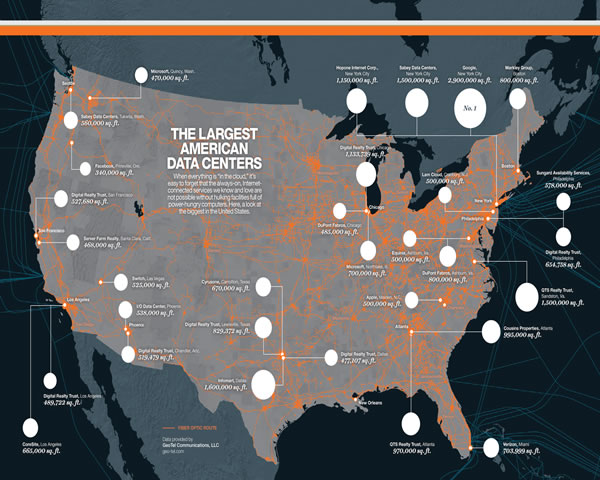
ddos protection is divided into two mainstream strategies: network layer (l3/l4) and application layer (l7). the network layer focuses on large traffic absorption and cleaning, while the application layer focuses on behavior recognition and genealogy analysis. when evaluating, focus on key indicators such as peak absorption capacity, degree of automation of cleaning strategies, and misjudgment rate.
modern high-defense clouds are usually deeply integrated with load balancing and edge nodes, which can distribute traffic to global nodes and perform nearby cleaning. for cross-regional services, it is particularly important to evaluate network topology, back-to-origin strategies, and link redundancy to ensure that availability and stability can be maintained under attacks.
auto-scaling is one of the core requirements of high-defense cloud, which can automatically expand cleaning capabilities and restore resources when an attack strikes. automated protection includes traffic fingerprint learning, automatic rule distribution, and policy rollback. when evaluating, attention should be paid to response time, policy false trigger rate, and recovery process maturity.
deploying high-defense cloud in the united states requires balancing compliance and data sovereignty requirements, especially when it comes to sensitive data or regulated industries. the completeness, storage duration and exportability of audit logs, as well as proof of compliance (such as industry compliance framework support) are key points that must be verified when selecting.
the actual effect of the high-defense solution is closely related to the operation and maintenance capabilities of the manufacturer or service provider. key considerations include around-the-clock security response, threat notification mechanisms, frequency of drills and sla terms. priority should be given to service providers with practical response processes and transparent reporting mechanisms.
summary: when evaluating "what are the mainstream solutions and comparative analysis of high-defense cloud servers in the united states in 2026", business risks, traffic characteristics and compliance requirements should be the core, combined with ddos mitigation capabilities, automation levels, network integration and operation and maintenance support to make trade-offs. it is recommended to conduct traffic and risk assessment first, then conduct drills to verify the protection effect, and gradually adopt a hybrid or layered protection strategy to obtain the best cost performance and flexibility.
- Latest articles
- How To Know If It Is A Hong Kong Native IP? Common Misunderstandings And Explanations Of Accurate Determination Methods
- Practical Steps On How To Verify Whether Tencent Cloud Hong Kong Servers Are Fast When Choosing A Computer Room And Operator
- How To Tell If The Cheapest US Server Is Reliable When You're On A Budget
- How To Use Trial And Refund Strategies To Reduce The Risk Of Purchasing A Cheap Thailand Vps
- How To Evaluate The Reliability And Security Of Thailand IDC Computer Room Hosting Providers
- Thailand Lightweight Cloud Server Configuration Suggestions Suitable For Personal Blogs And Small E-commerce
- Enterprise-level Deployment Tencent Cloud Korea Vps Load Balancing And High Availability Solution Implementation Practice
- How To Upload And Distribute Japanese Private Vps Video Content To Improve User Viewing Experience
- Detailed Explanation Of The Application Scenarios Of Cn2 Japan Server In Overseas Backup And Disaster Recovery
- Qualifications And Network Connectivity Points That You Must Pay Attention To When Choosing A Cn2 Partner In Cambodia
- Popular tags
-

Is Low-priced Us Server Hosting Worth Choosing?
discuss the advantages and disadvantages of low-cost server hosting in the united states to help businesses and individuals choose appropriate server solutions. -
Notes On Purchasing US Servers Using Hong Kong Apple ID
This article details the precautions for purchasing US servers using Hong Kong Apple ID to help users avoid common problems during the purchase process. -
Explore The Unique Shopping Experience At American Dress Group Online Shopping Site
explore the unique shopping experience of the american dress group online shopping site and learn about its convenience, variety and personalized service.